


Rip Currents: The Hidden Hurricane Hazard
Understand how hurricanes cause deadly rip currents and why you should know the risk before heading to the beach.
Safe Swimming
Planning for the beach
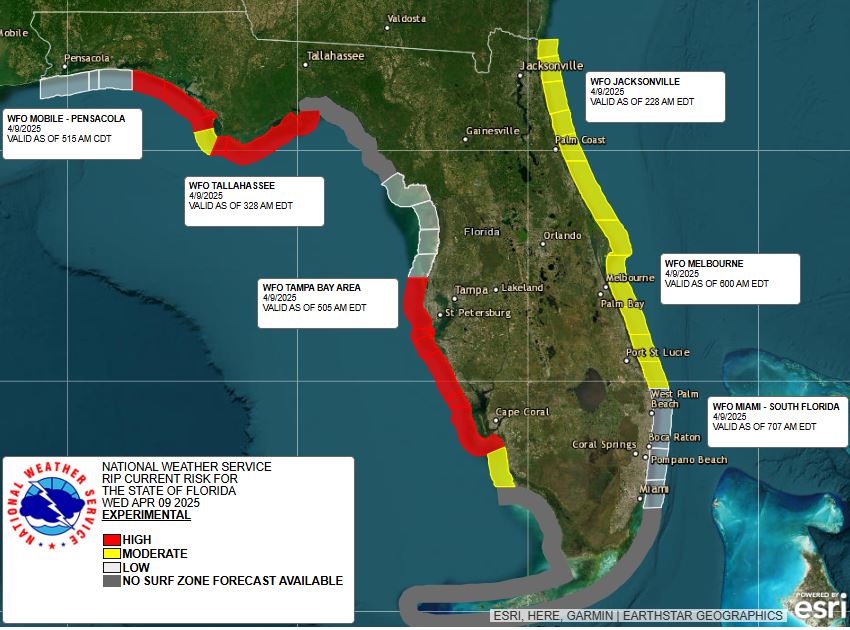
- Check the weather AND rip current forecast from the National Weather Service.
- Find out if lifeguards are present at the beach you are attending; many beaches will also post the warning flags and current beach conditions online.
- If you plan on swimming, plan to park and set up near a lifeguard stand.
- Bring items with you that float, such as a U.S. Coast Guard-approved life jacket

Arriving at the beach
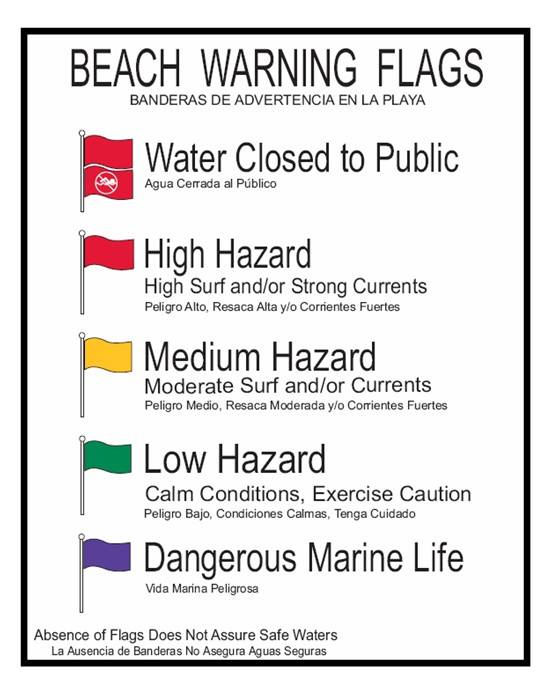
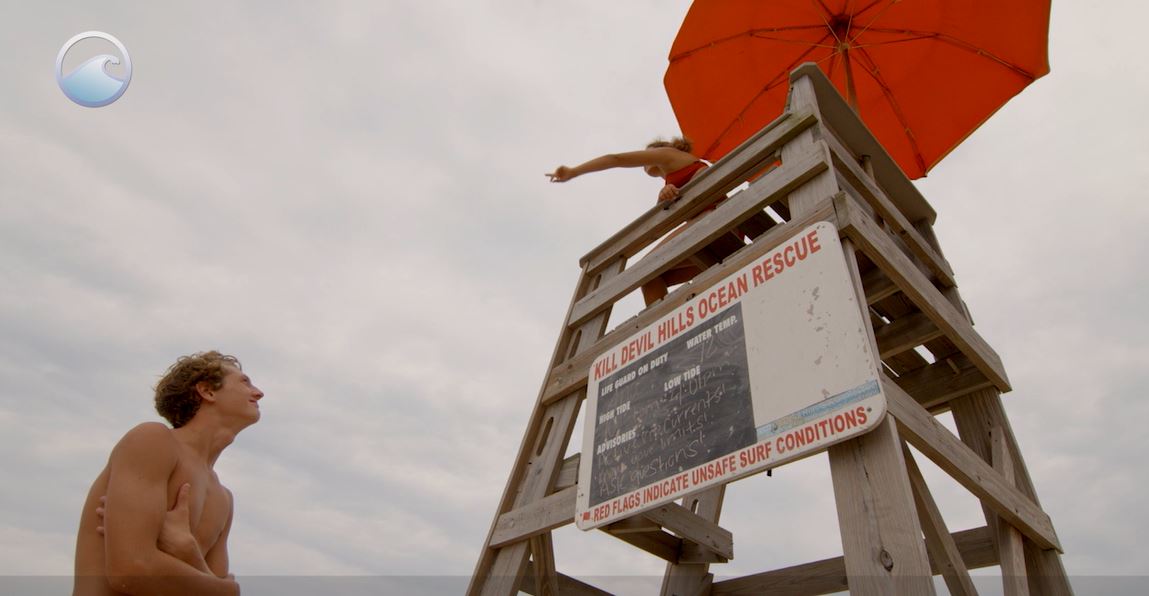
- Swim near the lifeguards and look for the warning flags. Talk to the lifeguards if you are unfamiliar with the beach.
- Do not go in the ocean if you don't know how to swim. Swimming in the ocean is not the same as swimming in a pool.
- Never swim alone, and never take your attention off family and friends.
- When in doubt, don't go out; it's always better to swim another day when conditions are safer!
Learn more about this topic at NWS Actions to take at the Beach or at USLA's Top Ten Beach and Water Safety Tips